

Introduction
The Emirati home is a microcosm of the nation’s identity, a physical space where deep-rooted traditions of privacy, hospitality, and family life intersect with the demands and aesthetics of modern luxury. Evolving from the simple barasti (palm frond) houses and coral stone buildings of the past, the contemporary Emirati home is a sophisticated architectural expression that carefully balances cultural mandates with global design trends, creating a unique and meaningful living environment.
History
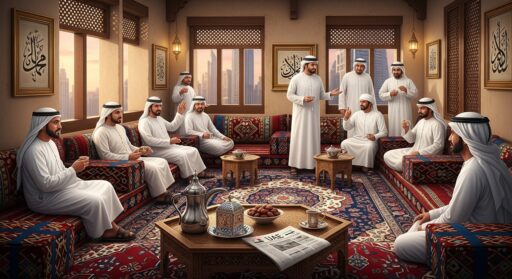
Traditional architecture in the UAE was a direct response to the climate and social norms. Courtyard houses, with their high walls and inward focus, provided privacy for the family and created a cool, shaded microclimate inside. Wind towers (Barjeel) captured breezes to provide natural air conditioning. Homes were clearly divided into a private family area (the haram) and a public guest area (the majlis), reflecting the high value placed on hospitality and gender segregation. Building materials were local—palm trunks, coral stone, and gypsum—and the design was functional and communal.
Key Features
The modern Emirati villa or home retains the core principles of its predecessor while embracing contemporary design. Key features include:
- Gender-Based Zoning: A clear separation between the public majlis (often with a separate entrance) and the private family quarters remains paramount.
- Grand Entrances & Courtyards: Many modern villas feature grand, double-height entrances and internal atriums or courtyards that echo the traditional design, providing light and a sense of openness while maintaining privacy.
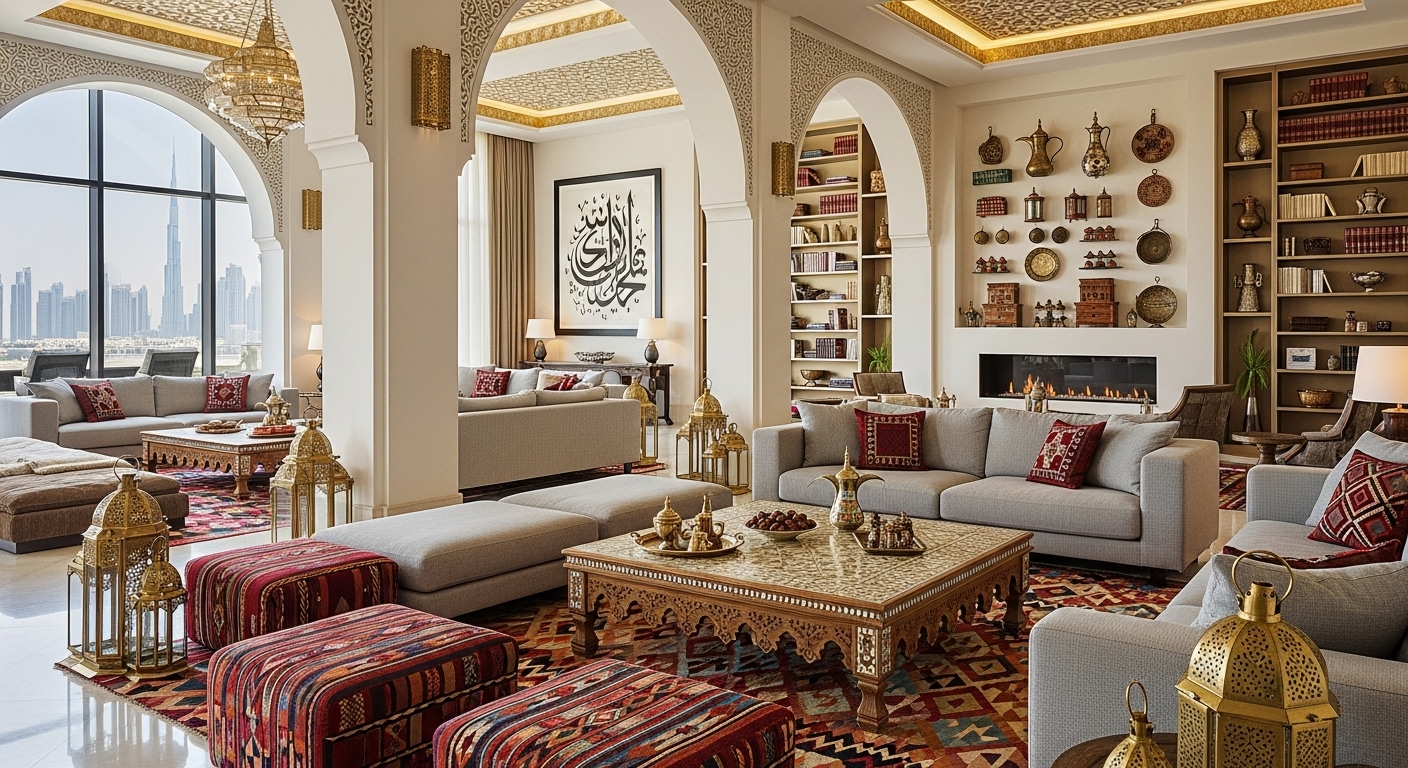
- Luxury Finishes: The use of high-end materials like marble, polished plaster, and exotic woods is common, reflecting modern tastes for luxury.
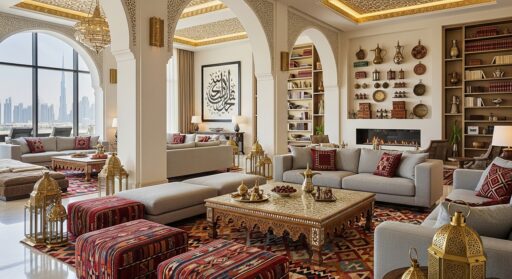
- Integrated Majlis: The majlis remains the centerpiece, now often furnished with luxurious sofas alongside traditional floor cushions, blending comfort with culture.
- Cultural Aesthetics: Design elements often incorporate Islamic geometric patterns, Arabic calligraphy, and traditional colors and textiles.
Cultural Significance
The design of the home is a direct reflection of Emirati values. The strict division between public and private space upholds the cultural importance of family privacy. The prominence of the majlis underscores the enduring significance of hospitality as a core social duty. Even in a high-rise apartment, these principles are maintained, with the living room often functioning as a de facto majlis for receiving guests. The home is not just a dwelling but a sanctuary that protects and nurtures the family unit according to long-established cultural codes.
Modern Relevance
Today’s architects and interior designers specializing in Emirati homes are masters of fusion. They seamlessly integrate smart home technology, modern kitchens, and swimming pools with traditional architectural elements. There is a growing trend of “neo-heritage” design, where modern interpretations of wind towers, mashrabiya (lattice screens), and courtyard gardens are used. Furthermore, as young Emirati couples establish their own homes, they are personalizing these spaces, creating interiors that honor tradition while expressing their individual, modern identities.
Conclusion
The modern Emirati home is a beautiful and thoughtful negotiation between past and present. It stands as a testament to a culture that confidently moves forward without leaving its foundations behind. Every villa, with its distinct majlis and private family quarters, tells a story of a people who cherish their heritage, honor their guests, and have successfully crafted a contemporary lifestyle that is both globally informed and authentically their own.